

I was recently in the middle of nowhere Utah with my family, and it was the first time in a very long time that I set my intentions on being present and being unplugged. My entire workday, which spans anywhere from four to 16 hours, is spent in the guts of artificial intelligence and how to use it to change the mortgage industry for the better. This runs in stark contrast to the experience of being present and connecting with my family. There is certainly very little that is artificial about the national parks in Utah. I came back refreshed and reflective. Hopeful and maybe a little bit scared. Artificial intelligence, inasmuch as it is how I make my living, has enabled these precious human moments. There is a clarity that comes when we remove the noise of the day-to-day and create real human meaning. When we watch the stars appear, when we center on each other. There is something really important that happens when we discover something subtle and special about the humans in our lives.
The moment generative AI altered the nature of work
Having just turned 50, it’s frankly hard to believe I’ve worked for 28 years, perhaps harder yet to believe that all of those years have been in mortgage technology. In November of 2022, artificial intelligence changed everything with the mass (free) availability of ChatGPT.
We didn’t really know it then; my own hard personal and company pivot wouldn’t come for another year, but the nature of work was altered forever. It would take a few years for generative artificial intelligence(genAI) to move beyond the “fun toy” stage, but anything that can be read, retyped or reconciled can now be automated.
And yet the average cost to originate a loan has increased. The average cost to service a loan has remained flat. This tells me that the transformational advantage that will come is limited to a few, if any.
It’s still bogged down in gaining literacy that leads to fluency, the challenges of scale, navigating safety and unknown regulatory constraints. And people, it’s really bogged down in the humans that have to understand it, figure out how to deploy it, learn to control it and find those places where real value can be realized.
Reimagining the mortgage industry beyond automated processes
Real mortgage transformation will not come from making the current manual processes faster. Anyone can do that. Frankly, with the recent advancements in agentic engineering, genAI correctly implemented can already do that autonomously. You won’t find the future of mortgage on your use case list, even though that is an important asset that will be heavily scrutinized by regulators.
Point-based solutions are a great place to start to build literacy and save some dollars. The “winners” of the AI race in mortgage will be the ones that reimagine mortgage now that the previously impossible is possible.
When anything that can be automated is automated, what remains? When getting a mortgage moves from a largely linear, digitized paper process to a one-shot straight-through decision, what’s left? When the homebuyer of the future has a personal financial agent instantly finding, negotiating, and closing their loan – what’s the value of a mortgage company?
It is those subtle special human moments that will matter, not the automated process. It will be the extent to which we have anticipated needs, we have found unspoken value, we have met that hopeful or fearful human exactly where they are at exactly the right time (that big promotion, the job loss, a parent’s death). Creating a mortgage organization that can do this requires discerning judgment, aspiration that can be implemented and real human creativity – none of which can be automated.
This reimagined ecosystem will leave a whole new kind of work for humans. Who are these humans? What do they do? What are the jobs? What’s that better future that will emerge, and how do we make it safe?
Over the next six months, in which time the pace of change will continue to consume us, I hope to answer some of these questions. I’ll define the future of mortgage. I’ll describe what’s left when anything that can be read, retyped or reconciled is automated.
We’ll close the year defining the minutes that matter and figuring out how to make more of them. Then we will center on the people and the jobs of the future. We’ll close out the series with the specific things mortgage leaders can do to realize this new future. I hope you will engage in and steer this conversation with us through comments or by reaching out directly.
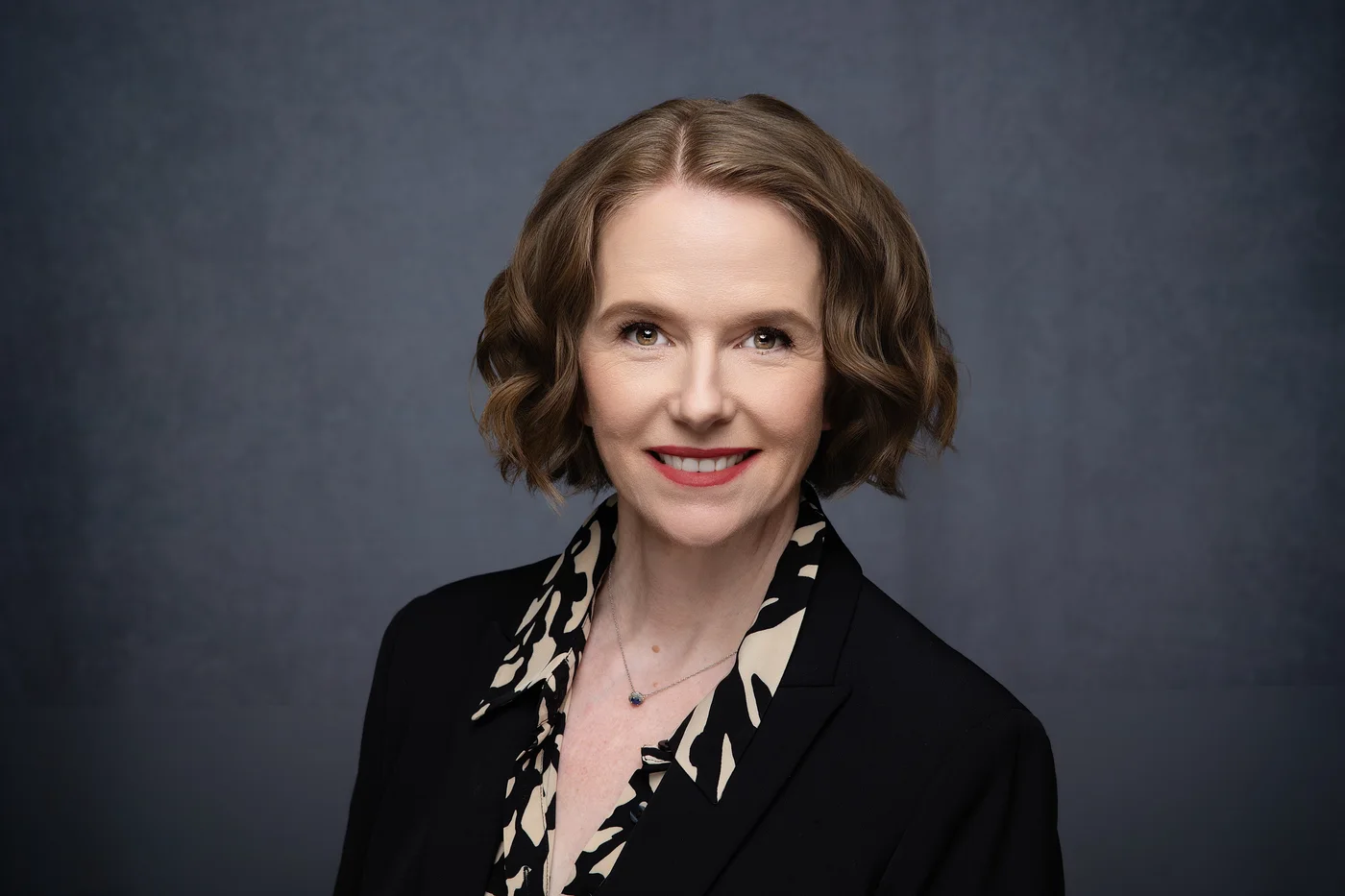
Tela Gallagher Mathias is PhoenixTeam’s Chief Technology Officer and CEO of Phoenix Burst.
As featured by HousingWire, August 2026