

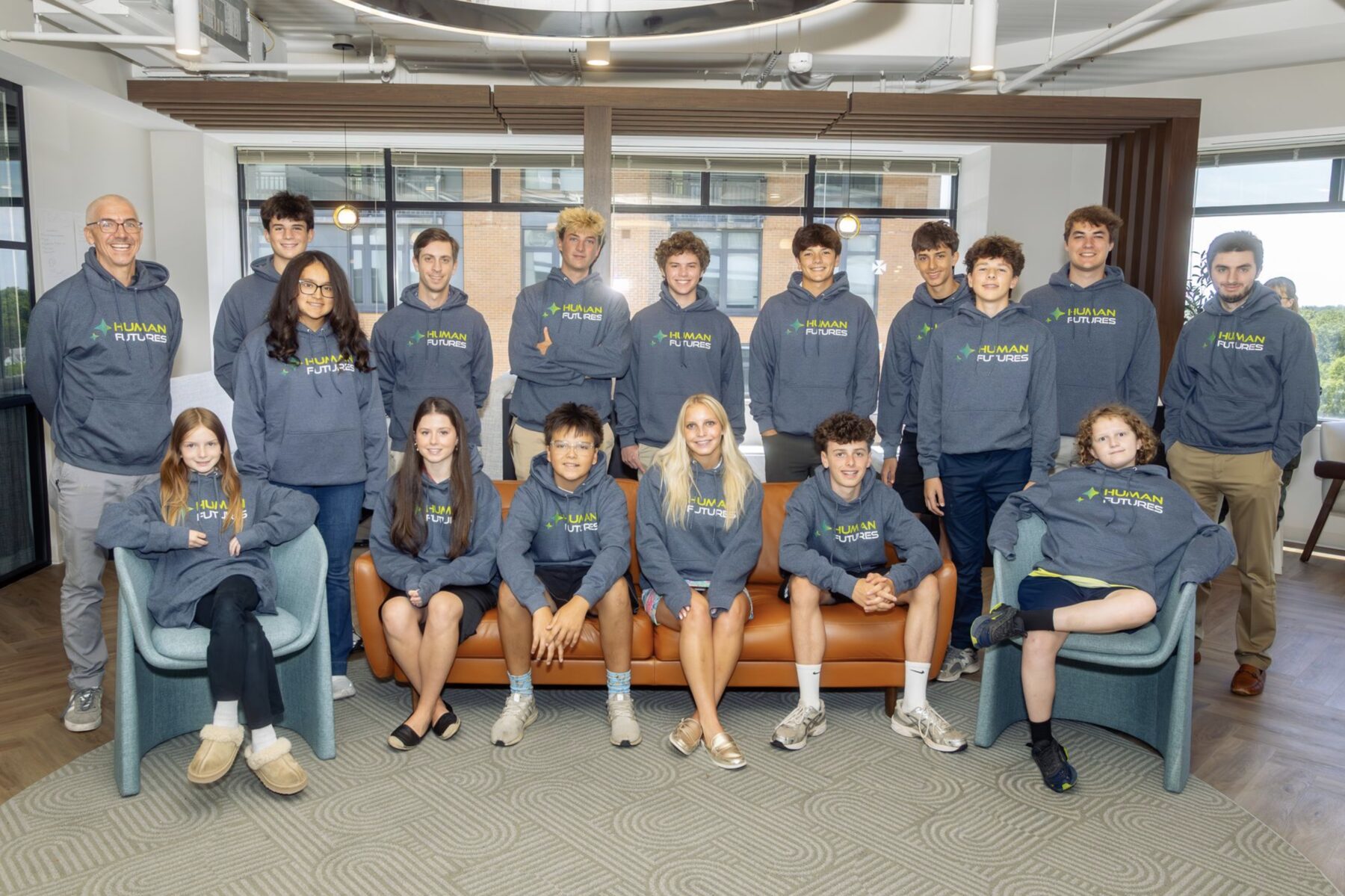
24 young people. 70 work days. Real work, built with AI and led by human judgment. Here’s what the first summer of Human Futures proved, and why we can’t wait to meet the Class of 2027.
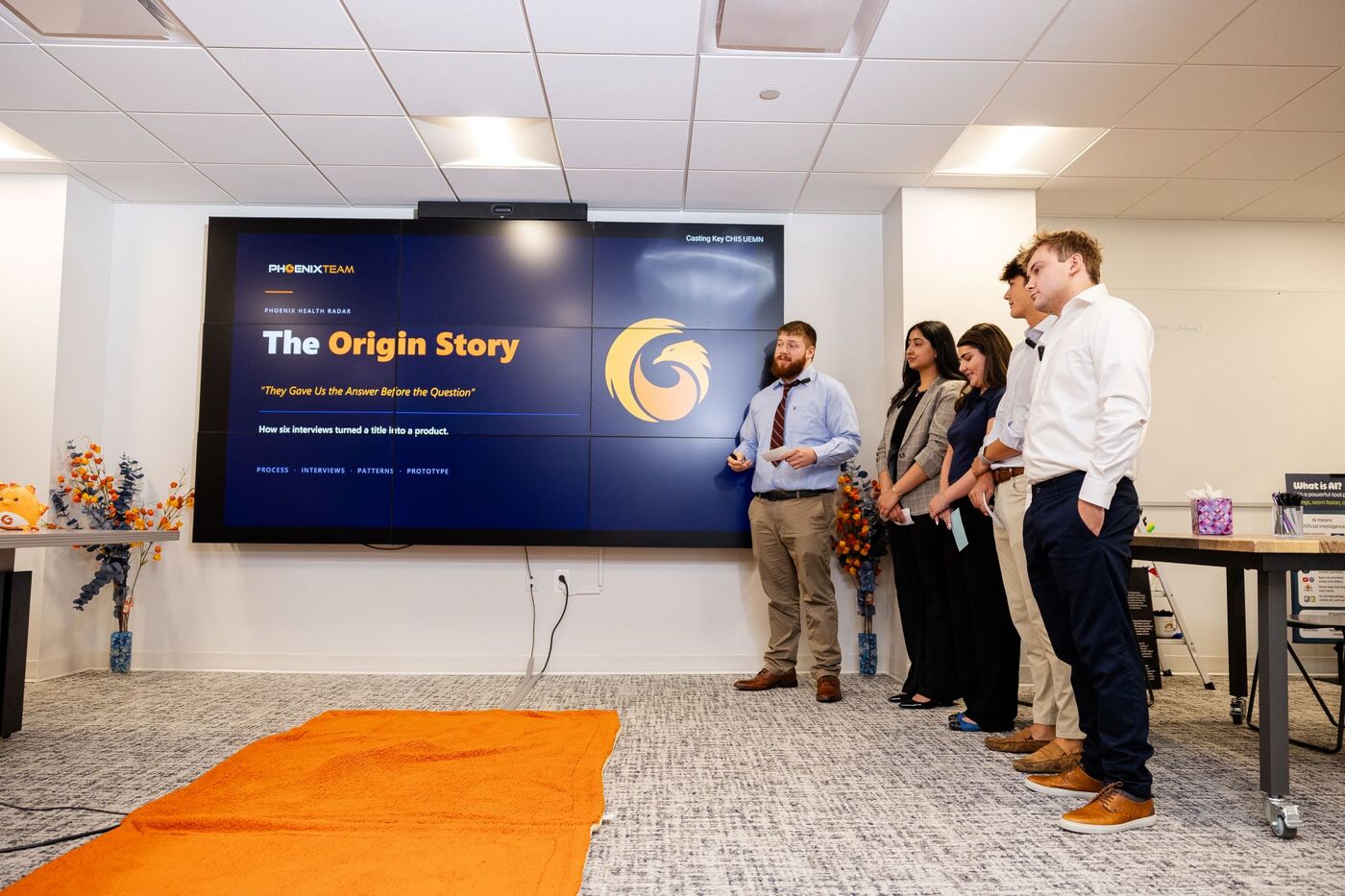
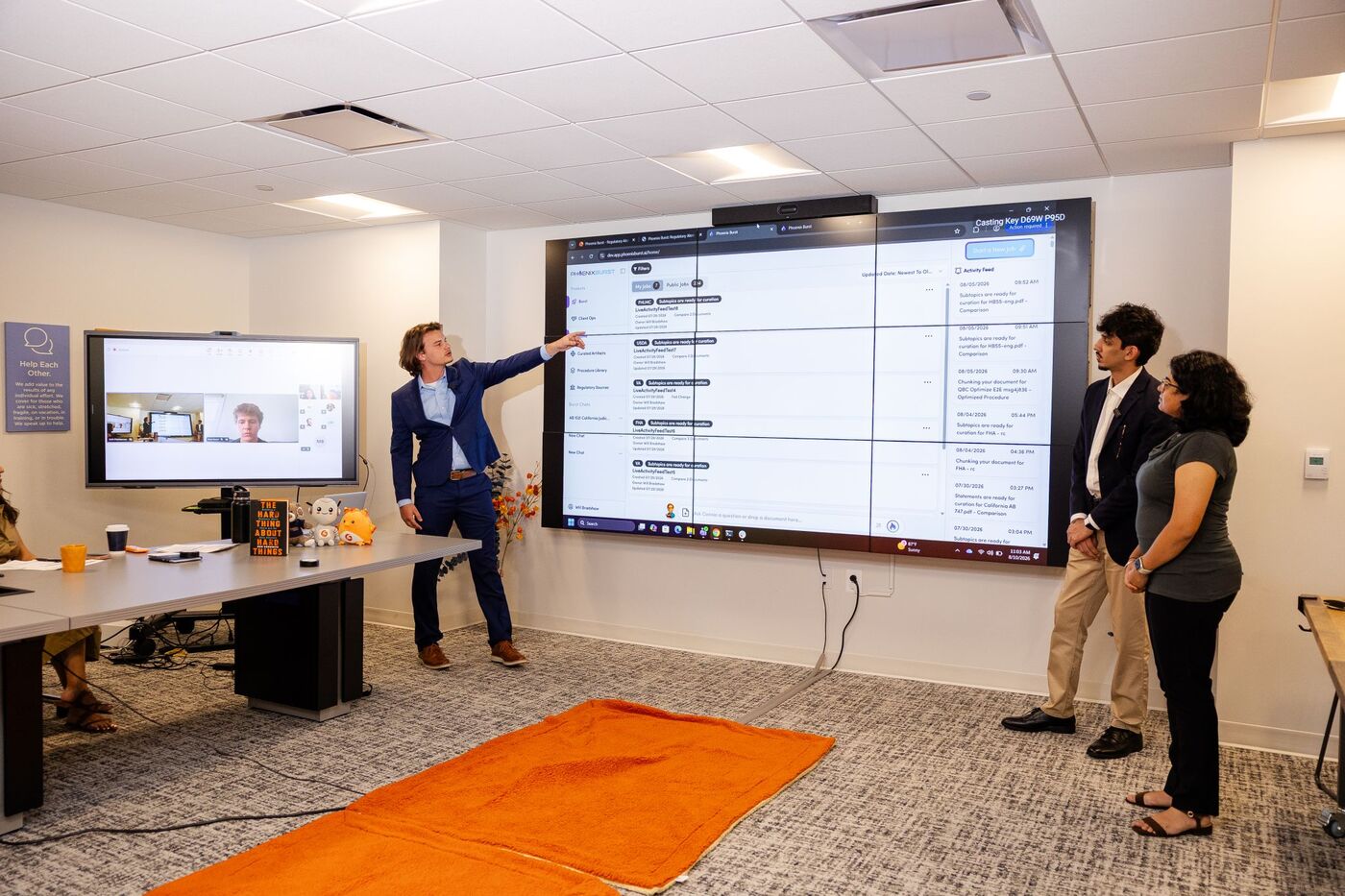
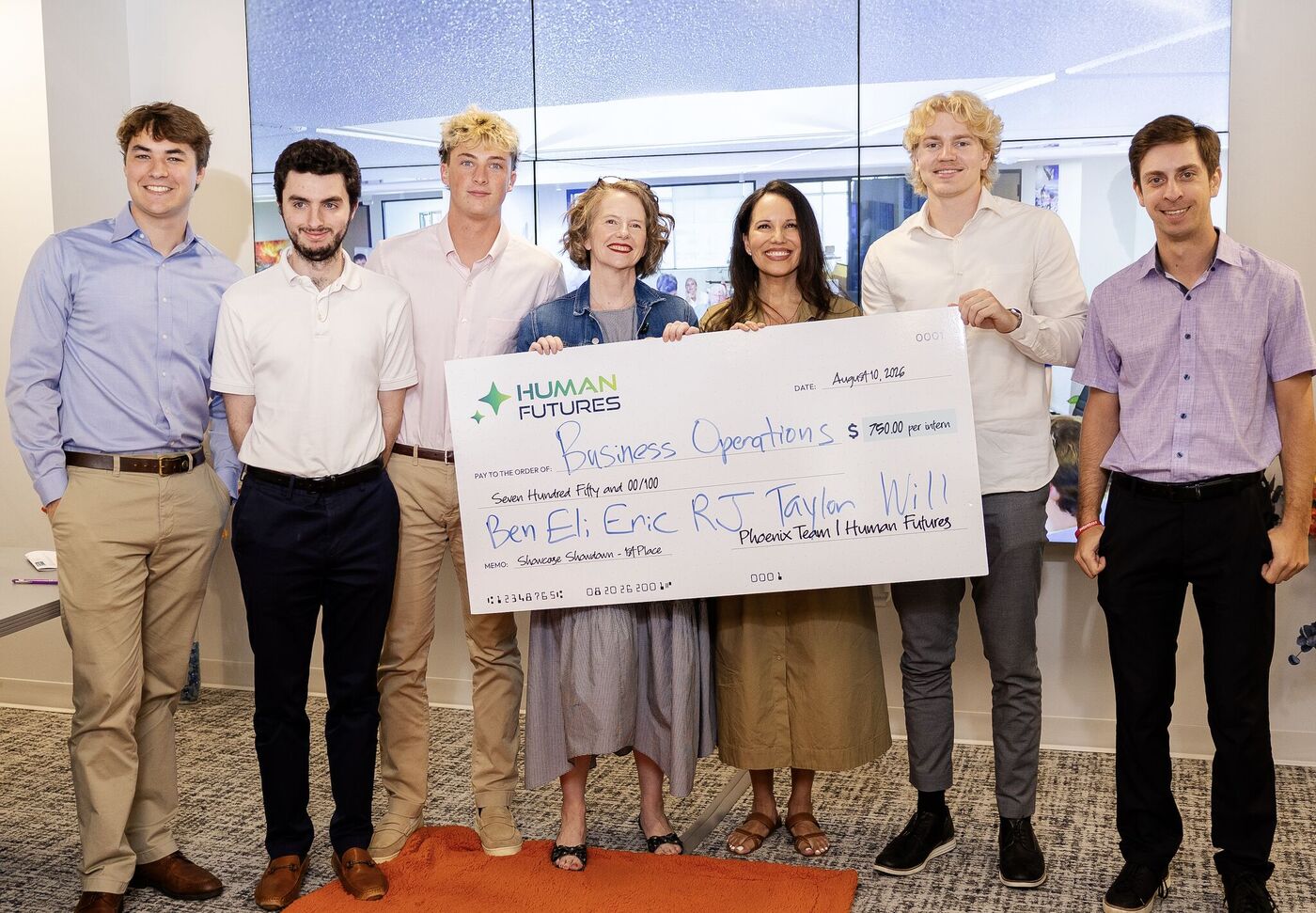
On August 10, our interns walked into PhoenixTeam headquarters in Arlington, Virginia, for the Showcase Showdown. Each pod had ten minutes in front of a shark-tank-style panel to present and demo what it had built. For many of them, it was the first time they had met in person. One intern told us they had never seen online connections carry into real life like that.
The summer was a 70-work-day experiment. At the start of the summer, we brought 24 young people into our company. We gave them AI tools, real problems, and real responsibility. Then we asked them to do the one thing no AI tool can do for them: lead with their own judgment.
They delivered. When the summer ended, we asked everyone involved how it went. Here’s what they told us, what we learned, and why next summer will be even better.
The bet we made
AI is changing work faster than most classrooms and first jobs can keep up. Young people hear a lot about which tools to learn. They hear far less about what those tools can’t do, or about the value they bring themselves.
Human Futures is PhoenixTeam’s answer. It’s our youth learning and career-readiness initiative, built around one mission: prepare young people to work alongside AI, with human judgment first.
Our first summer internship put that mission to the test. Interns had two jobs. Day to day, they worked alongside a manager on one of our teams. They also joined a pod: a small team with a sponsor and a real business problem to solve. Weekly sessions covered how AI works, how businesses run, and how to communicate like a professional.
The bet was straightforward. Give young people real work and real trust. Teach them to use AI well. Then see what they do with it.
Real work for a real company
The pods didn’t get practice problems. They took on projects PhoenixTeam actually needed.
AI Products and Services
Designed, built, and implemented a regulatory alerting solution and API.
Business Operations
Rebuilt our recruiting and onboarding process, all the way through a new hire’s first 30 days.
Core Technology and Data Solutions
Built an enterprise client health radar.
Human Futures
Planned and ran AI Builder Week, a week of AI learning and building for kids.
Nearly every intern said they were proud of what their pod produced. So did every single pod sponsor.
“The work produced was both useful to PhoenixTeam now, and aspirational for what we could do in the future.”
Confident with AI. Clear on what it can’t do.
Interns learned to build with AI, not just talk about it. One described using Claude Code, Replit, GitHub, and AI agents to develop applications, debug code, automate repetitive tasks, and prototype new ideas. Another said they now use AI as a productivity tool rather than a novelty.
of interns left more confident working with AI tools.
But confidence with tools was never the whole goal. We wanted interns to understand what they bring that AI can’t. So we asked them.
Their top answer was creative and design judgment, followed by accountability and communication. As one intern explained, people design and build for other people, and that takes empathy, not just pattern recognition. Another put it even more simply:
“While AI is good at building things, it is not very good at making decisions.”
That’s the instinct we set out to build. Not fear of AI. Not blind faith in it. A clear sense of where people need to lead.
Growing as people, not just workers
The skills mattered. The growth mattered more.
of managers said Human Futures helped their intern grow as a person, not just as a worker.
Of everything we measured in Year One, that’s the result we’re proudest of. Managers saw the growth in everyday moments. One described an intern who absorbed what he had learned and acted on it to unblock his team, without being called in. Another was impressed by what an intern built with Claude to help evaluate HR tools.
Interns felt that investment, too. Every intern said they felt supported by their manager.
Our interns became teachers
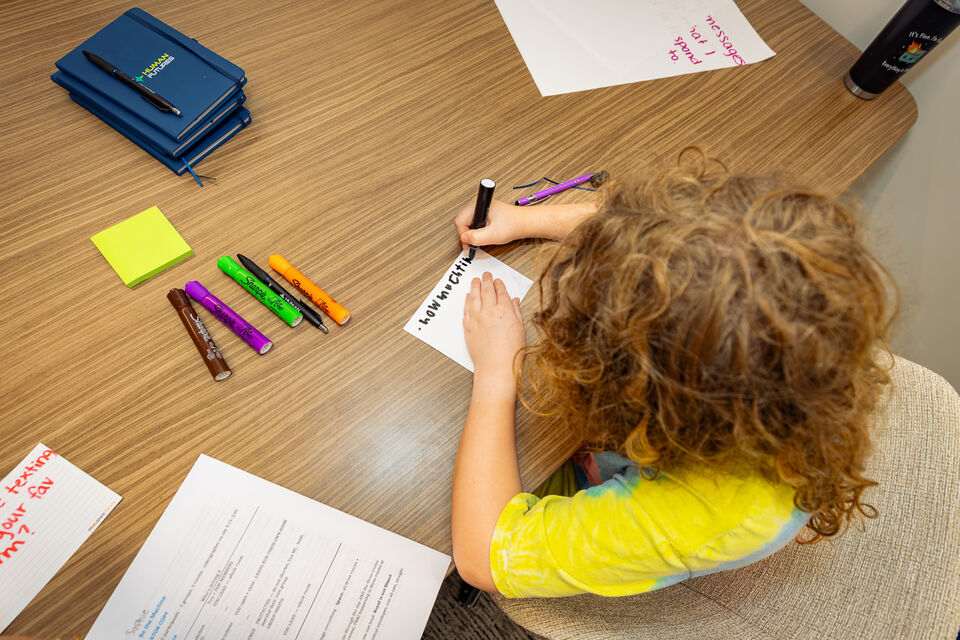
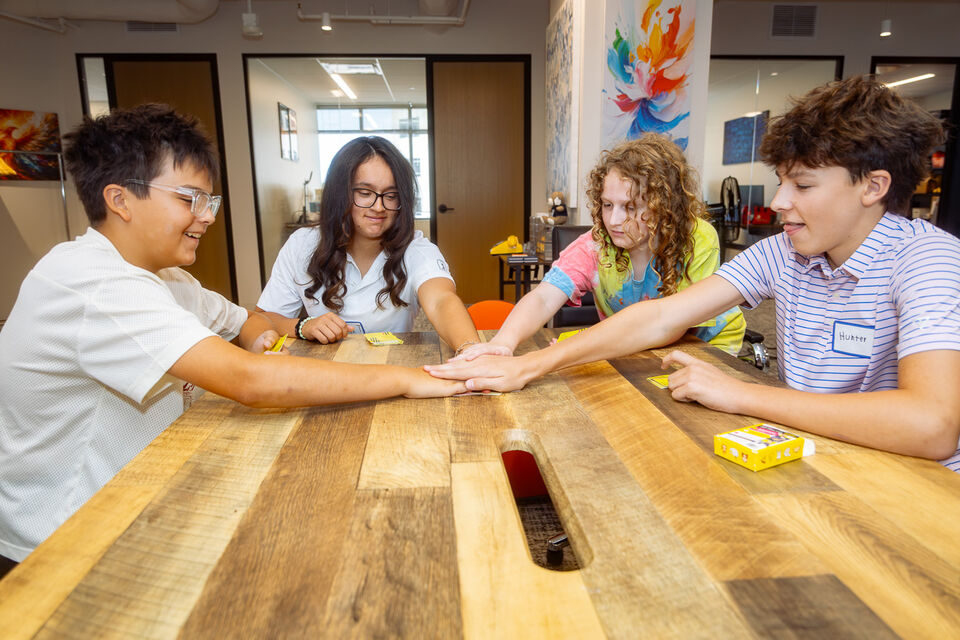
One pod carried the mission even further. From August 3 to 7, the Human Futures pod ran AI Builder Week for 12 kids ages 10 to 16. The goal was a first real experience with AI: learn how it works, learn how to prompt, and build something by the end of the week.
The week was hands-on from start to finish. But the most important learning happened away from the screen.
of AI Builder Week learning happened offline. Thinking first. Tools second.
That ratio says a lot about how we approach AI. The tools matter. The thinking behind them matters more. Watching our interns teach that idea to kids was one of the best parts of the summer.
 AI Builder Week · August 3 to 7
Built for Year Two
It was a great summer. It wasn’t perfect. The same honest feedback that showed us what worked also showed us what to do better, and every lesson is already shaping what comes next. Here’s what the Class of 2027 can look forward to:
Sharper projects from day one. Every pod starts with a defined need, clear expectations, and a known finish line.
More time together. Many of our interns worked remotely, and the Showcase showed what happens when people finally share a room. Next year, we’ll build that bond early and often, not save it for the last week.
More hands-on learning. More hands-on challenges and real case studies, balanced for business-minded and technical interns alike.
A smoother start. One central hub for resources and updates, and an easier first week.
Wider doors. Our partners pushed us to think bigger. We’re recruiting beyond our own networks, matching interns to roles that fit their strengths, and inviting other companies to sponsor interns and projects.
To the Class of 2027
We asked this year’s interns what advice they’d give next summer’s class on day one. Two answers stood out.
Get used to taking initiative and being proactive. Do it more than you think you should.
Take advantage of this internship. Once it ends, and you take a look back at your summer, you’ll miss it.
When we asked interns whether they’d recommend Human Futures, most gave it a perfect 10. One summed up the summer in words we’ll carry into Year Two:
“This program is a true life changing experience, and something that is so valuable for this generation.”
Thank you
Year One happened because a lot of people said yes to something new. Thank you to Tela Mathias for the vision, and to PhoenixTeam’s leadership for backing Human Futures from the start. Thank you to the managers and pod sponsors who gave their time. And thank you to our interns, who showed up, took risks, and told us the truth.
Join us for Year Two
We set out to show that young people can work alongside AI with their judgment intact. This summer showed they can. Now we get to do it better, for more of them.
Students
The Class of 2027 starts next summer. Join the interest list to be the first to hear when applications open.
Parents and educators
Know a young person who’s ready to build? Share this story. If you care about preparing young people for what’s next, we’d love to connect.
Employers
Help shape the next generation of AI-ready talent. Talk with us about sponsoring an intern or a project.
Year One set the bar. We can’t wait to watch the Class of 2027 raise it.